Santa Honey: A Sweet Handwritten Font for Creative Projects
There's a certain magic in a font that feels both personal and professional. Santa Honey is exactly that—a premium handwritten font that strikes a beautiful balance between playful whimsy and clear legibility. Its gentle curves and rounded letterforms create an immediate sense of warmth and approachability, making it a versatile design asset for a wide range of creative endeavors. Whether you're crafting a children's book, designing a wedding invitation, or building a brand identity, this typeface brings a sweet, inviting personality that genuinely connects with an audience.
Understanding the Visual Character and Appeal
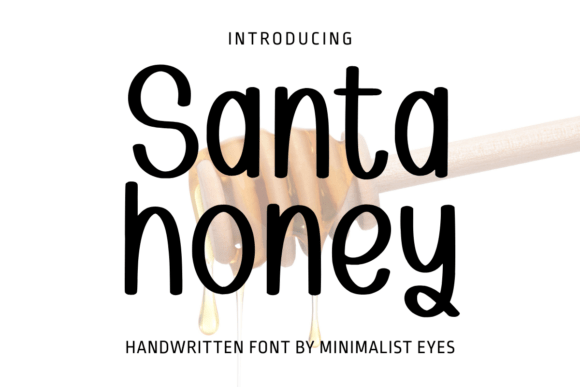
At its core, Santa Honey is a display font, meaning its strength lies in headlines, logos, and short, impactful text rather than long body paragraphs. Its handwritten style is carefully crafted to avoid looking messy or childish. Instead, it presents a modern typography feel with a human touch. The letters maintain consistent spacing and baseline alignment, which is crucial for professionalism. The soft, rounded terminals and slight variations in stroke width give it that authentic, hand-lettered charm without sacrificing the clarity needed for effective communication. This isn't just another script font; it's a thoughtful design tool meant to evoke specific emotions—joy, friendliness, and creativity.
The font's visual personality is its greatest asset. It radiates a sweet charm that can soften corporate edges or amplify the coziness of a personal project. For entrepreneurs and small business owners, using Santa Honey in your logo design or marketing materials can signal that your brand is approachable, creative, and detail-oriented. It tells a story before the words are even read. This is the power of choosing the right typeface; it sets the tone for the entire visual experience.
Where Santa Honey Truly Shines: Practical Applications
Knowing where to apply a creative font like Santa Honey is key to its success. Its strengths are most evident in projects where personality and engagement are priorities.
- Branding and Logo Design: This font can be the cornerstone of a brand identity for businesses in lifestyle, children's products, artisanal goods, baking, or boutique services. It works beautifully for logos, wordmarks, and taglines, creating instant recognition and a friendly tone.
- Publishing and Editorial Design: For children's books, magazine headlines, or cookbook titles, Santa Honey adds a layer of whimsy and readability. It captures the imagination of younger readers while remaining sophisticated enough for adult publications.
- Marketing and Social Media Graphics: In the fast-scrolling world of social media, a distinctive font grabs attention. Use it for Instagram quotes, Facebook ad headlines, Pinterest pins, or email newsletter banners to make your message stand out with a personal touch.
- Packaging and Print Design: Product labels, greeting cards, wedding invitations, and event stationery benefit immensely from its warm, handwritten aesthetic. It makes physical items feel more curated and special, enhancing the unboxing experience.
- Digital and Web Design: While not for body copy, Santa Honey can elevate a website's hero section, call-to-action buttons, or special promotional banners. It adds a human element to digital interfaces that can often feel sterile.
Think of it as a specialized tool in your design toolkit. You wouldn't use a sans serif font for every single element, and similarly, Santa Honey excels when used strategically for maximum impact.
Making It Work: Readability, Pairing, and Professional Use
Implementing any display font effectively requires a bit of strategy. The goal is to leverage its personality without compromising on clarity or professionalism.
First, always consider readability in context. A font that looks stunning on a large poster might become illegible on a small mobile screen. Test Santa Honey at the actual size it will appear. For digital use, ensure there's sufficient contrast between the text and background. For print, request a proof to check how the ink interacts with the paper stock.
Second, master the art of font pairing. A strong, expressive font like Santa Honey needs a quiet partner. Pair it with a clean, neutral sans serif font or a simple serif font for body text. For example, using a classic sans serif like Montserrat or a readable serif like Lora for paragraphs creates a beautiful visual hierarchy. The handwritten font commands attention for headings, while the companion font ensures the supporting text is easy to read. This combination maintains balance and guides the viewer's eye naturally through your design.
Third, review the full character set and licensing. A quality premium font will include more than just basic letters. Check for alternate characters, ligatures, and extended punctuation. These details allow for more customized and authentic-looking typography. Equally important is understanding the commercial license. Ensure the license covers your intended use, whether it's for a single client project, unlimited personal projects, or commercial products for sale. Using a font within its licensing terms is a non-negotiable part of professional design work.
Finally, evaluate the project fit. Does the playful, sweet nature of Santa Honey align with the message and audience? It's perfect for a children's clothing brand or a whimsical bakery, but might not be the best choice for a law firm or a fintech startup. The font should be an extension of the brand's voice, not a distraction from it.
In the end, Santa Honey